Indonesia: Java, Bali, and Komodo Islands - September 10 - October 2, 2017
Part Three - Flores Island, Indonesia
Page Two - Back to Labuan Bajo; Cecer Village
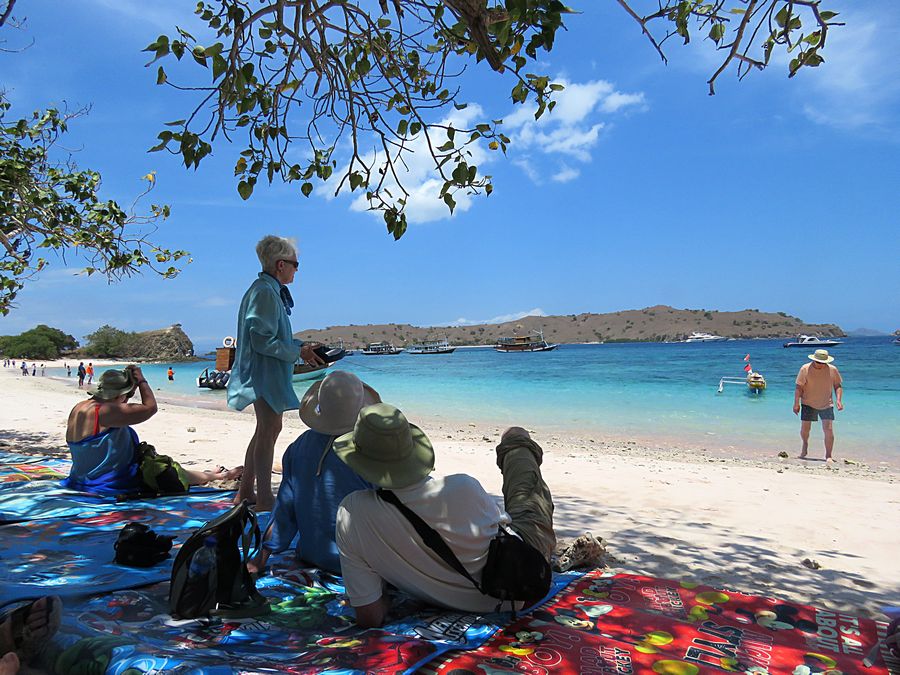
Beach where we stopped to relax, swim, and/or snorkel
before returning to Labuan Bajo.
The beach had slightly pink sand.
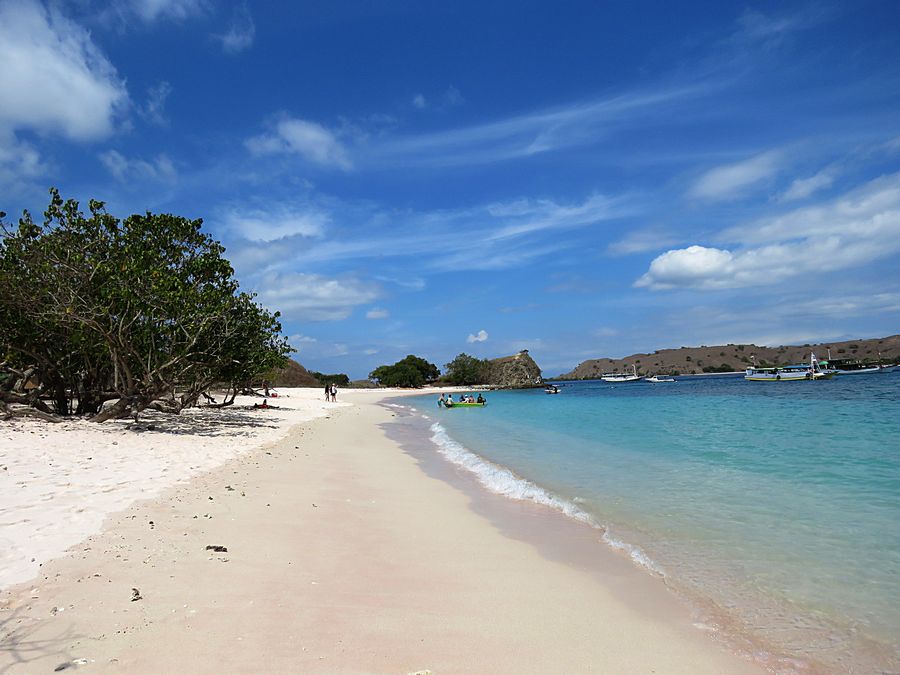
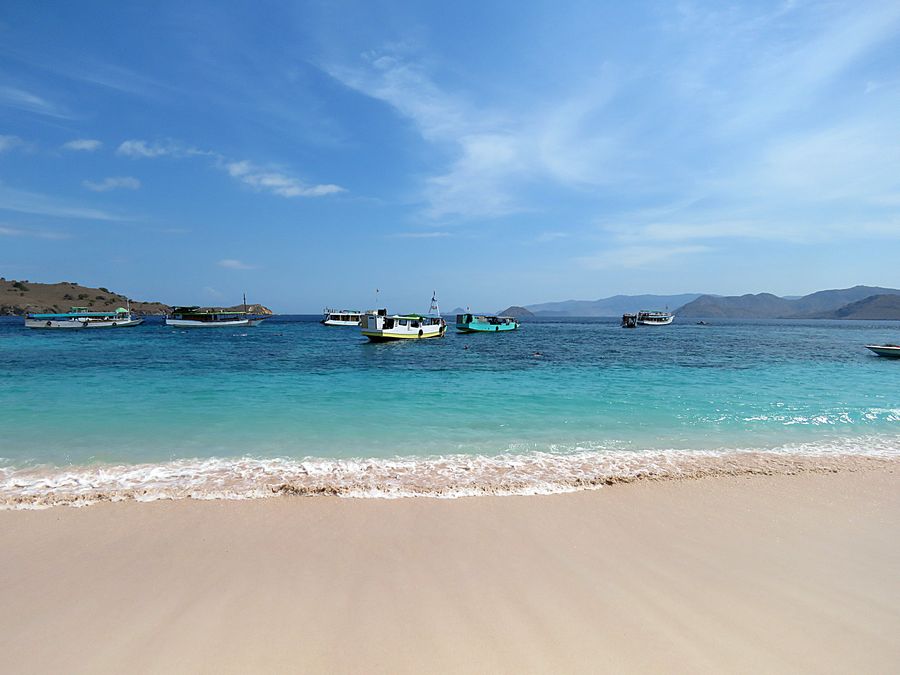
Boats in the water that the people on the beach came in.
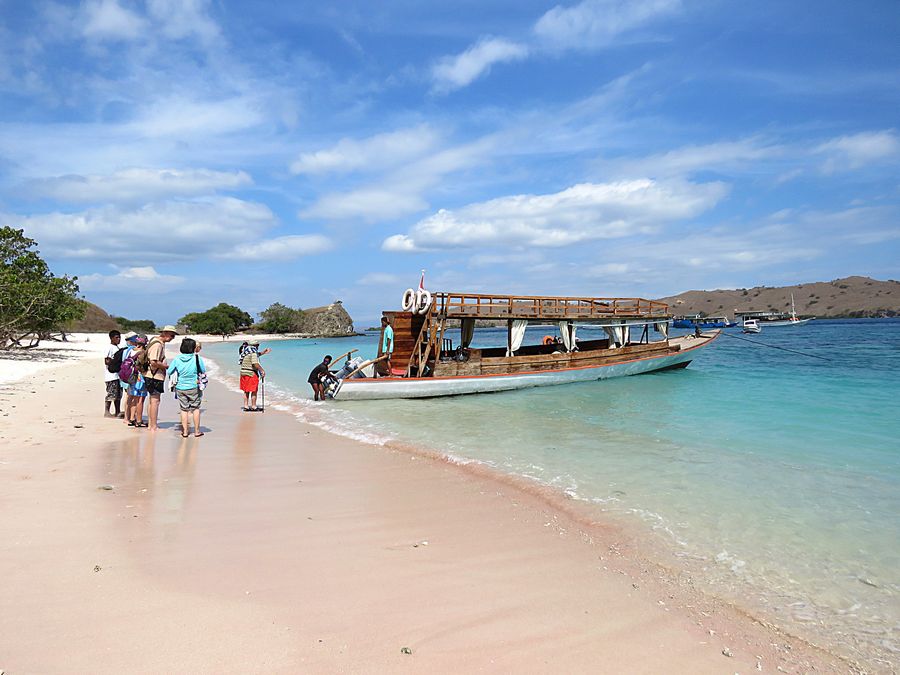
Starting to board our boat to return to Labuan Bajo on Flores Island.
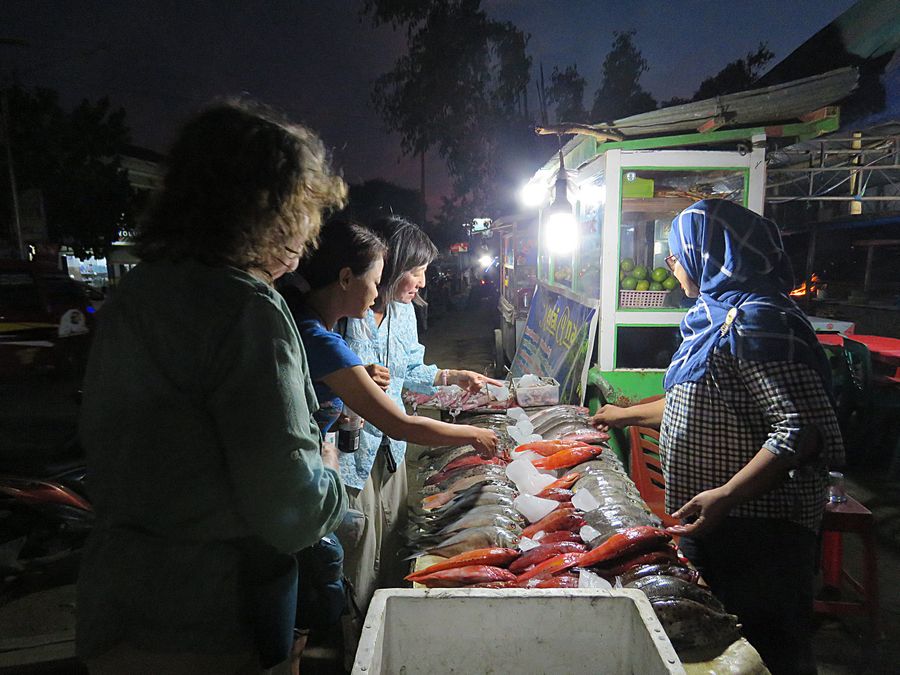
In the evening, three of us went with tour leader Susi to
the night market in
Labuan Bajo for dinner. Here we are
selecting the fish, with Susi's expert advice,
to be cooked for us for dinner.
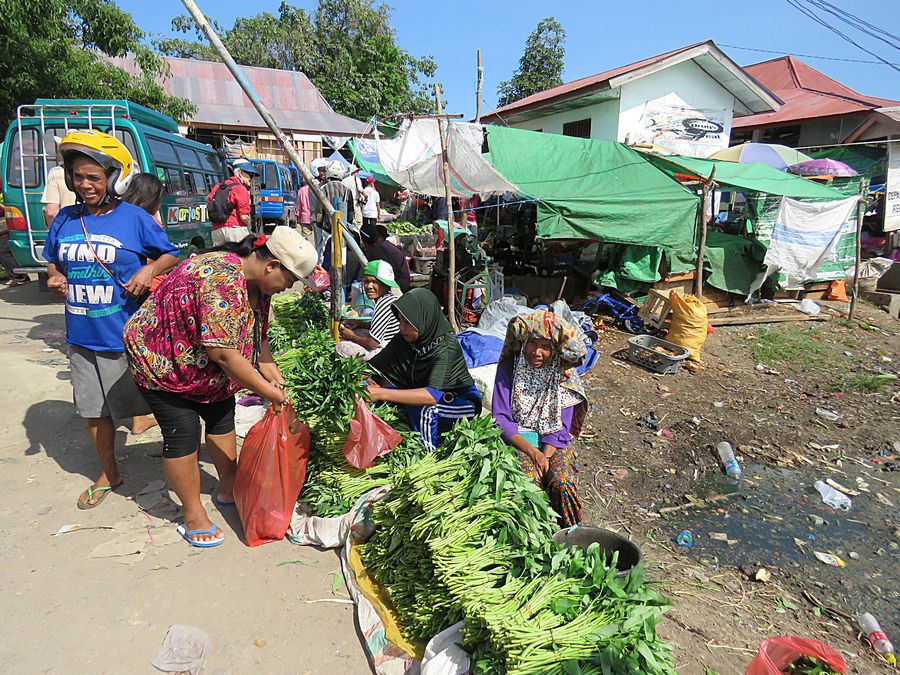
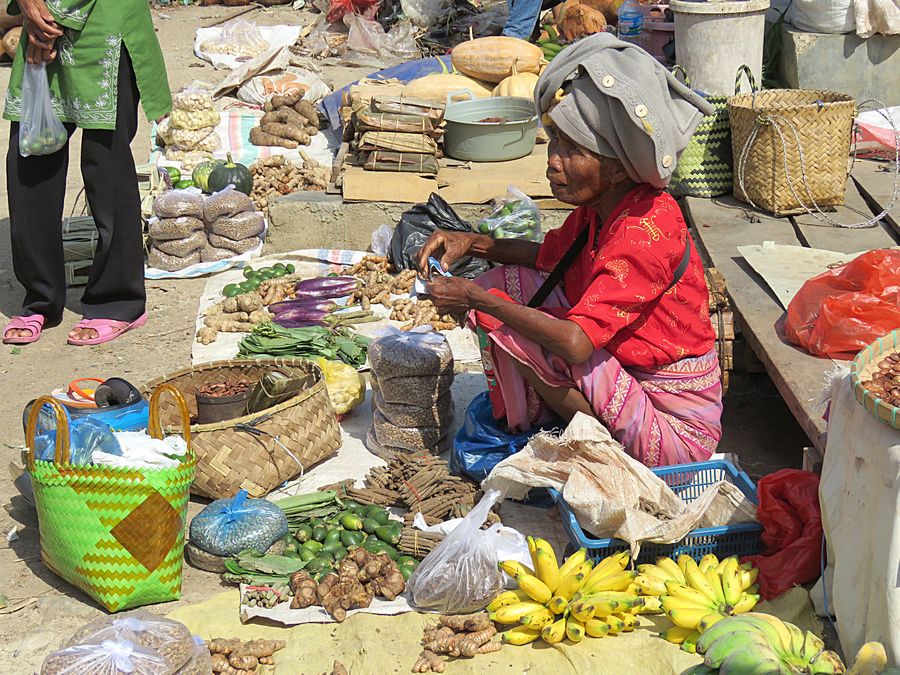
On September 28, we stopped at a local market
on our way to Cecer Village in the mountains
in the interior of Flores Island.
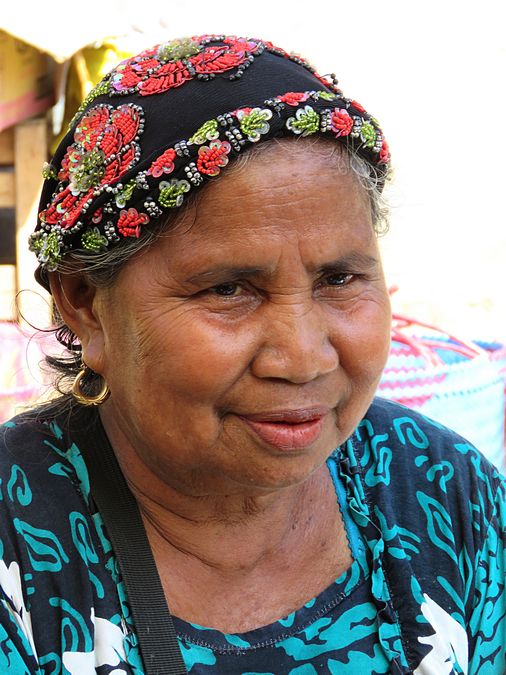
Female vendor
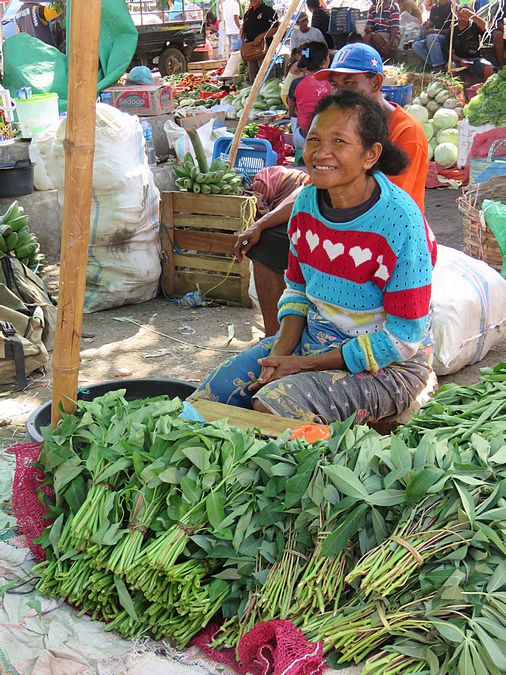
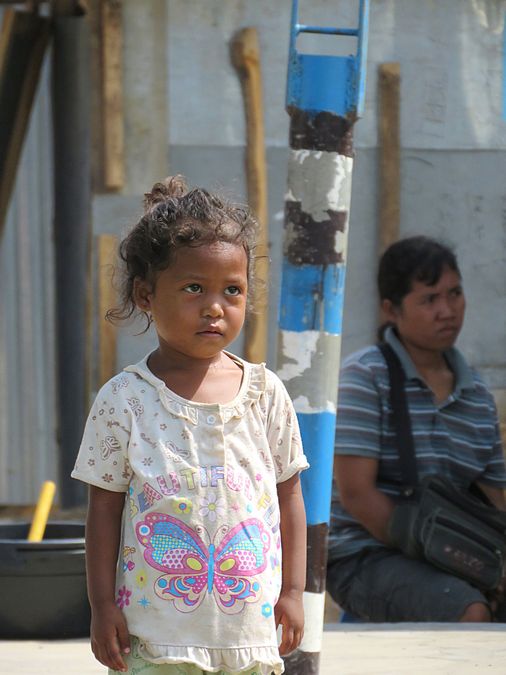
Daughter of one of the vendors
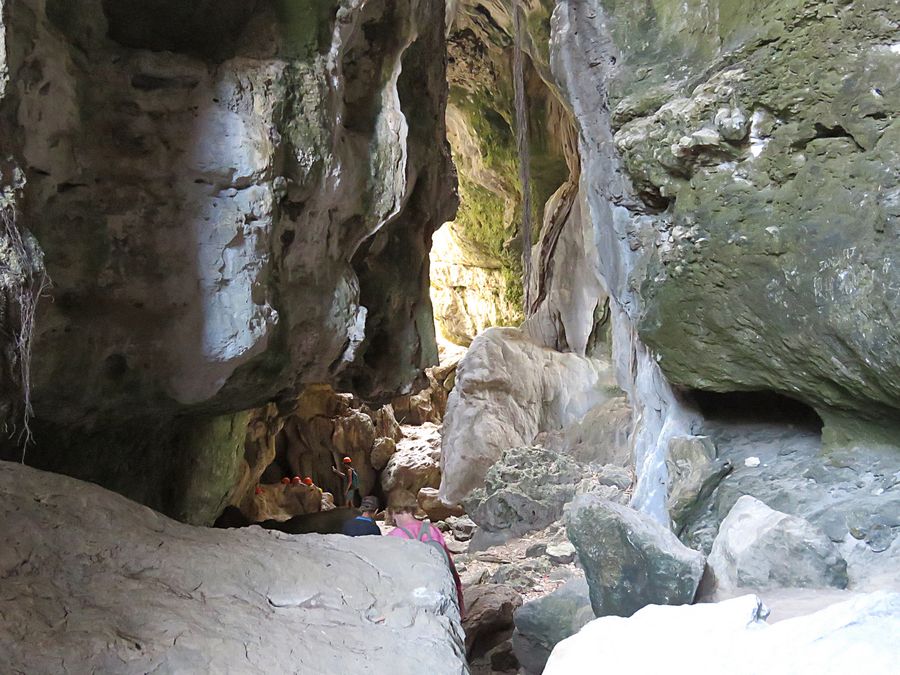
On the way to Cecer Village, we also stopped at
Batu Cermin (Mirror Cave), a series of caves
and canyons about 3 miles from Labuan Bajo.
A large cavern contains stalactites and stalagmites.
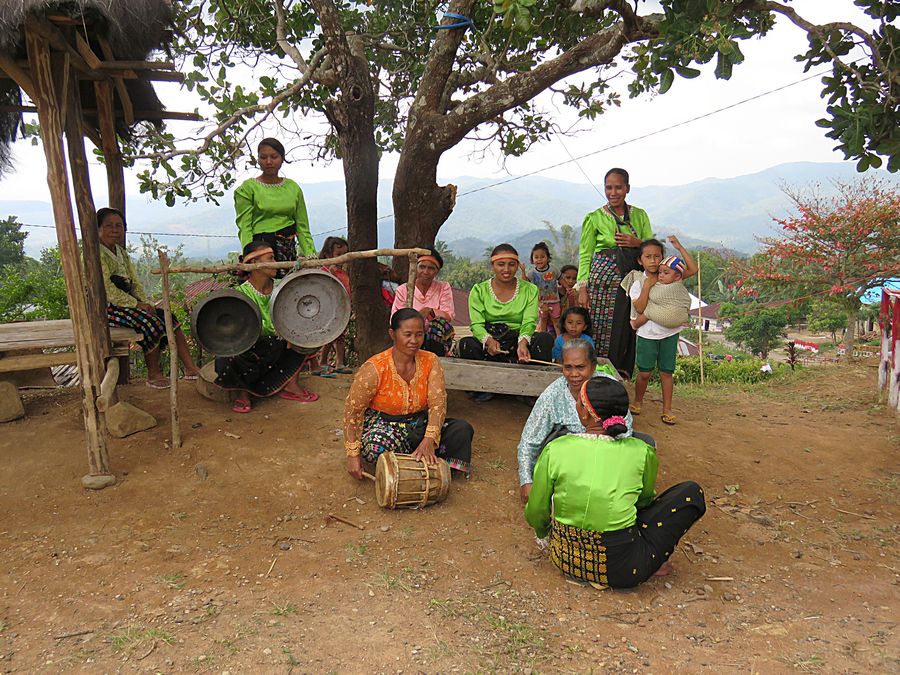
At Cecer Village, where the clan based Manggarai speak their own dialect.
Though their population rose to a half million in the 20th century, their
numbers have dwindled in recent years. Village elders are working to
preserve their culture. The women in this photo later played the
instruments shown during dancing performances.
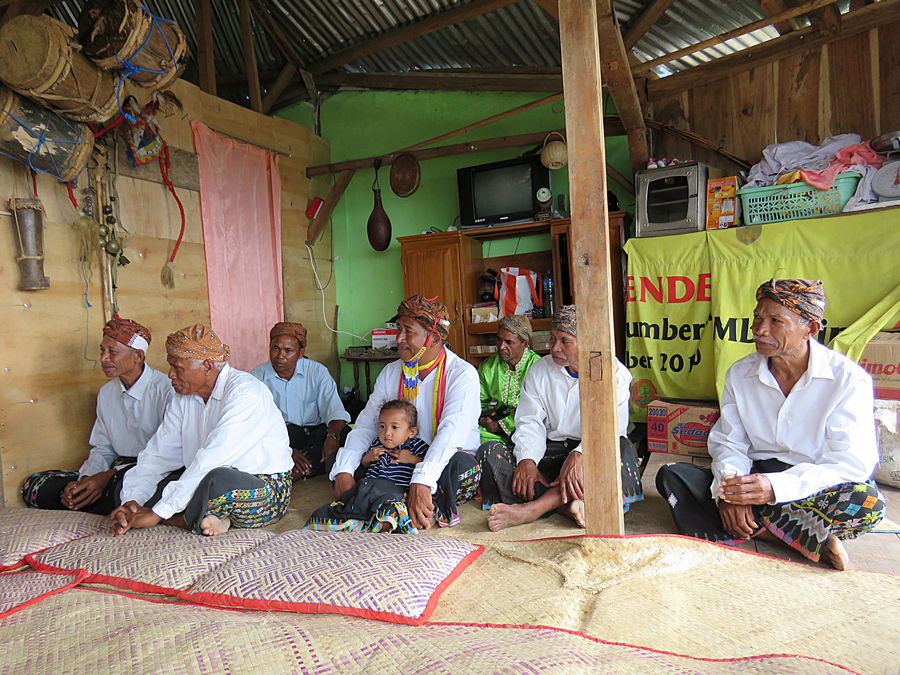
Our group met with the Village elders.
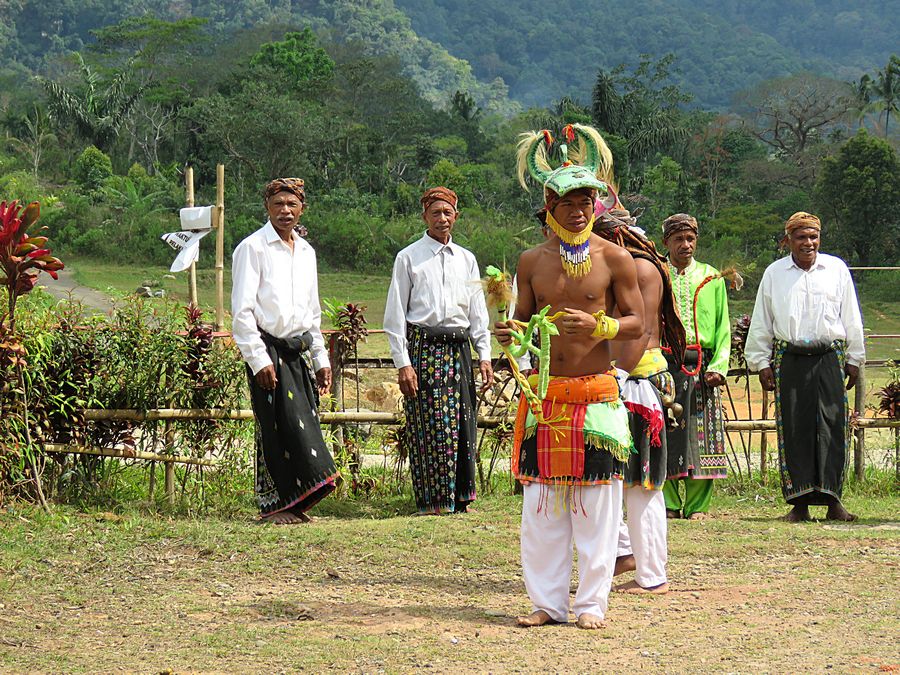
After the meeting with the elders, we watched Caci dancing,
a sport in which masked men wield whips in stylized
combat meant to symbolize the unity of men and women in
creation. Today Caci is performed at special events like harvest
thanksgiving,
successful projects or state occasions.
Caci is a whip fight between two rivals in which the fighters dance
following the rhythm of traditional acoustic instruments.
A group of people sing lyrics in their local language.
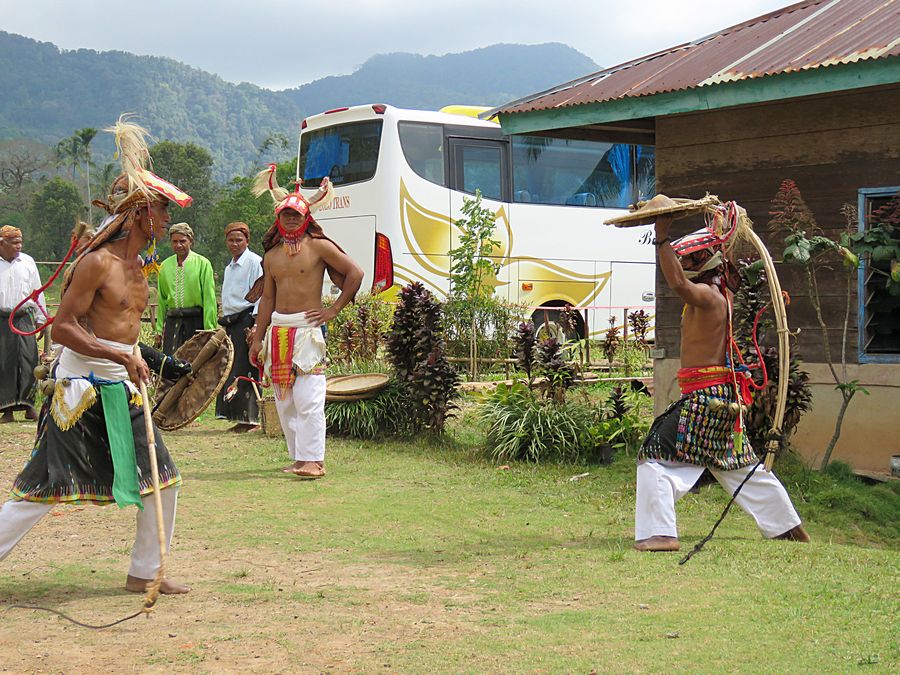
Caci equipment, consisting of a whip, a shield, masks, and sticks,
is symbolic. The aggressor’s whip is made out of rattan, with a leather-covered handle.
It symbolizes male, the phallic element, the father, and the sky.
The defender’s round shield represents the female, the womb, and the earth.
It is usually made out of bamboo, rattan, and covered with buffalo hide.
The male and the female elements are united whenever the whip hits the shield,
symbolizing a sexual unity
as an essential premise in giving life.
The players’ heads are covered with a wooden or leather mask
wrapped with cloth and goat hair that hangs down at the back.
The two horns of the mask represent the strength of the water buffalo.
For additional protection from the ashes of the whip, the defender holds a stick in his left hand.
While fighting, the men wear a traditional woven cloth over a pair of regular pants.
A belt of bells worn on the hip create a peculiar sound.
The upper body remains bare and uncovered, leaving it exposed to the whips’ lashes.
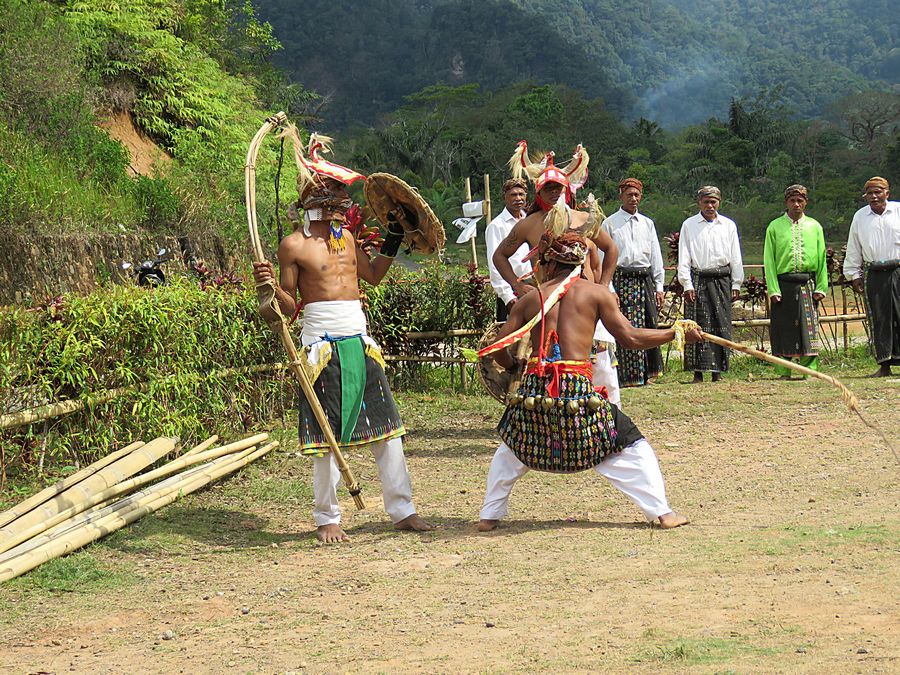
The aggressor tries to hit his opponent’s body with the whip.
Being hit does not automatically mean losing the game.
It is more important which part of the body is hit in deciding the winner.
A hit in the face or on the head means losing the game.
The roles of aggressor and defender are reversed after every whip strike.
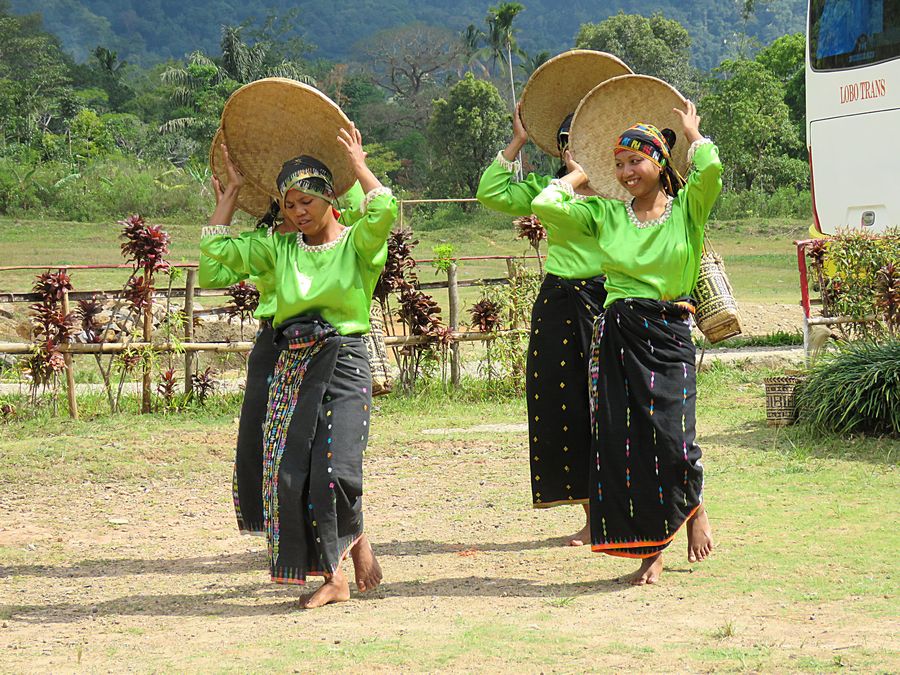
After the whip fight, some of the women performed another traditional
dance for us.
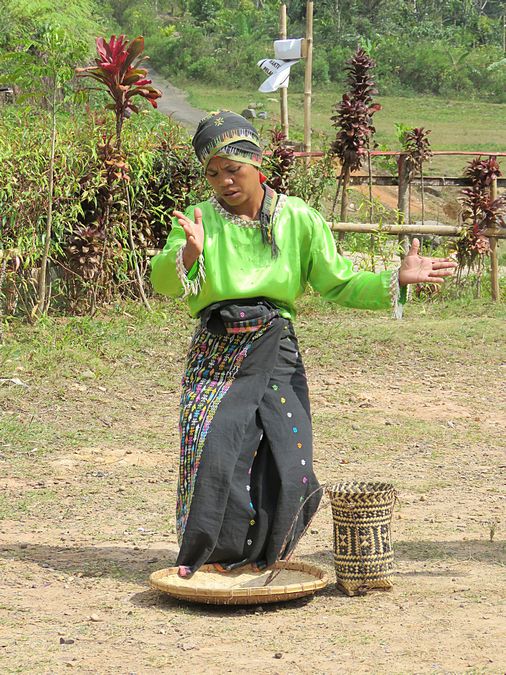
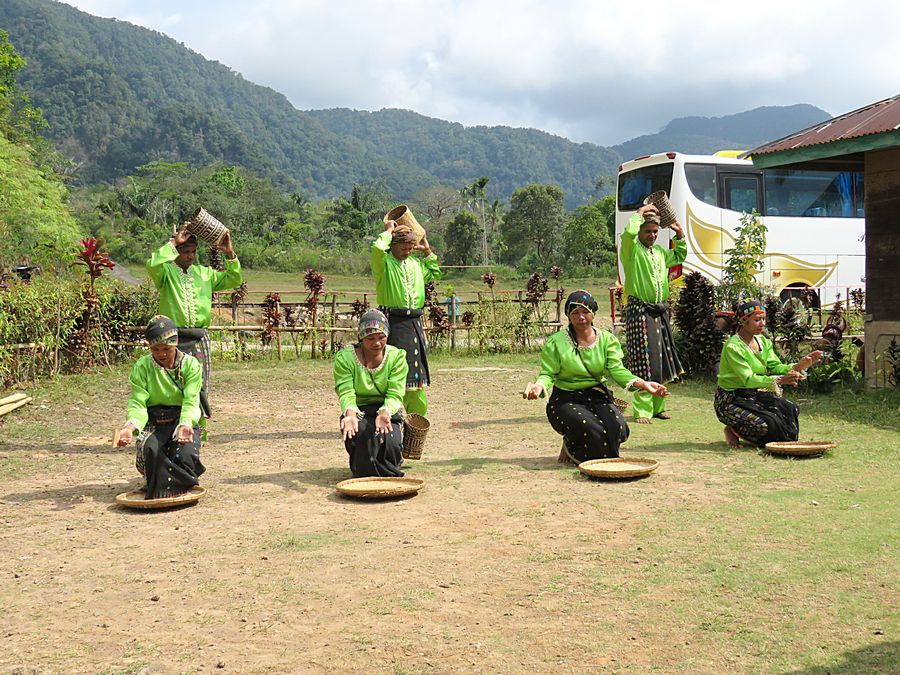
At one point, a few men joined them in the symbolic dance.
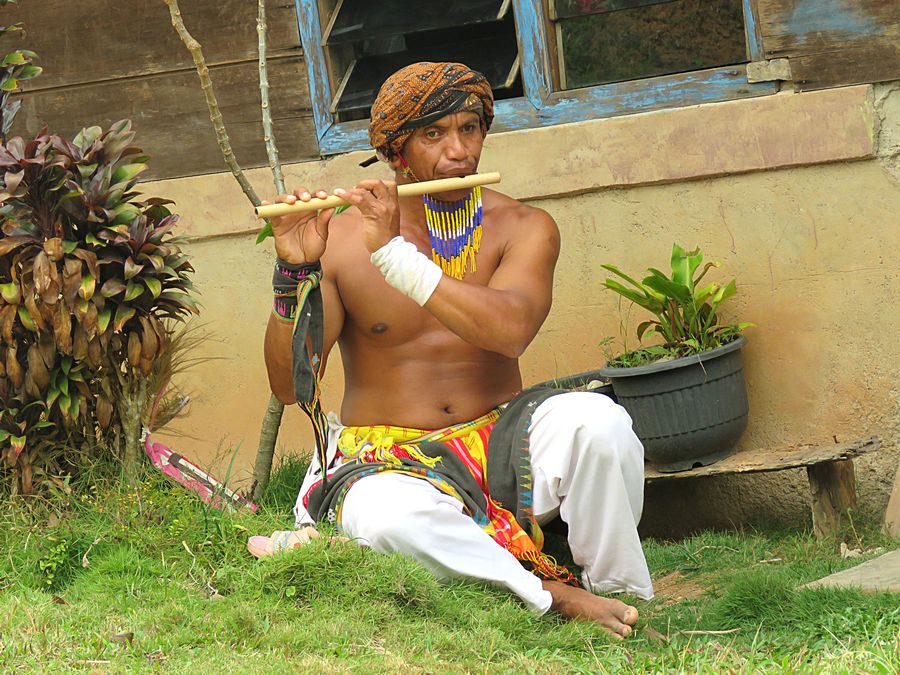
A musician that accompanied the dancers.
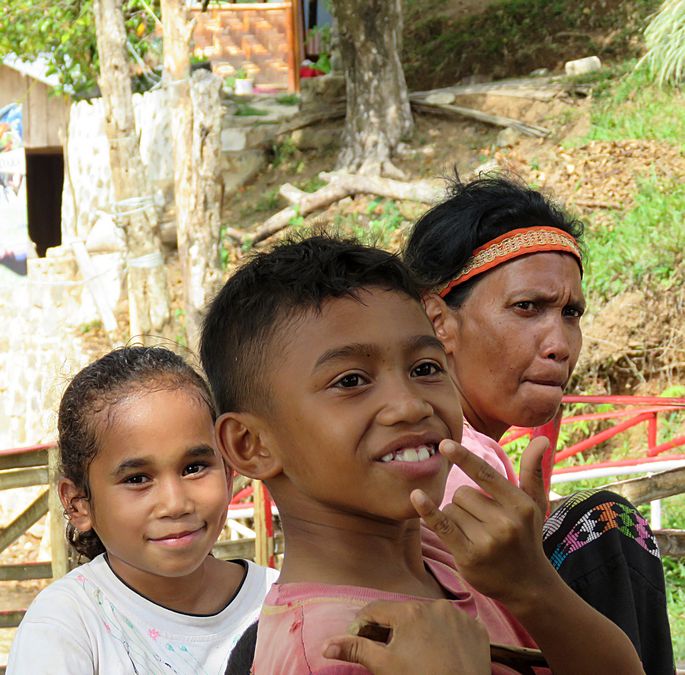
Kids watching the performance.
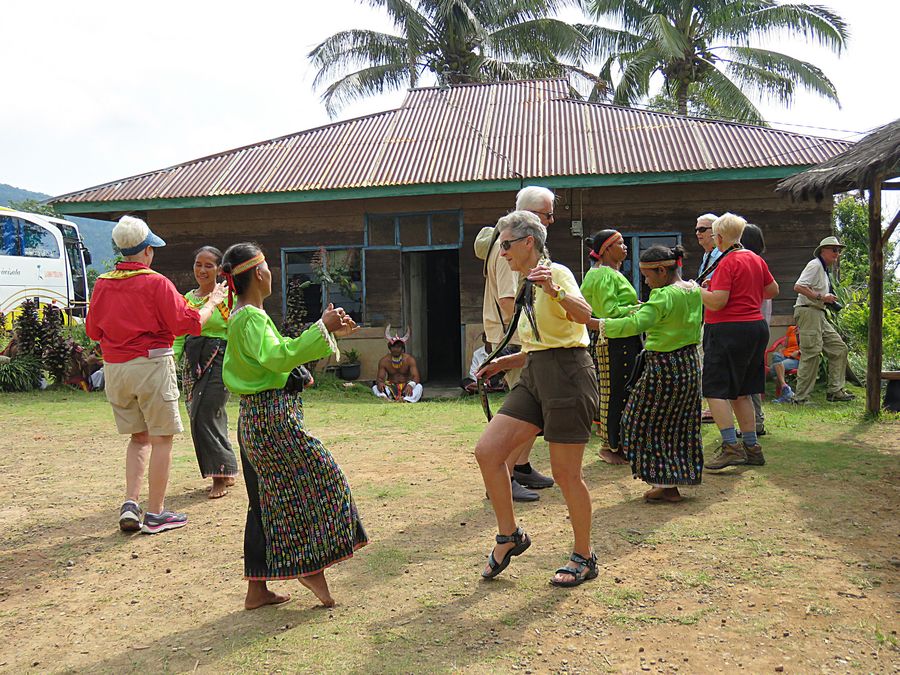
After the women danced, they asked us to join them.
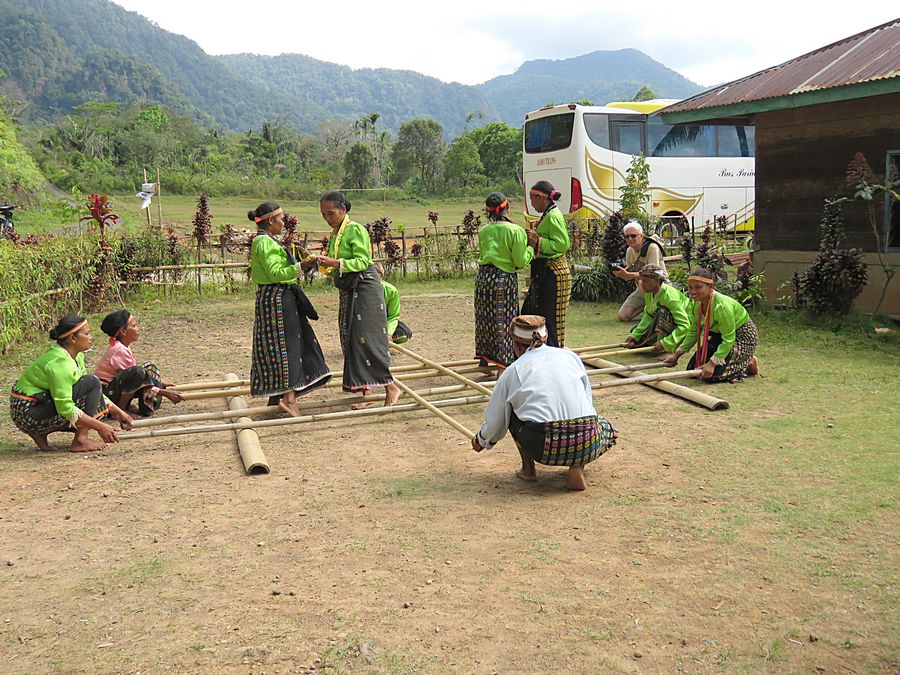
Then we saw pole dancing.
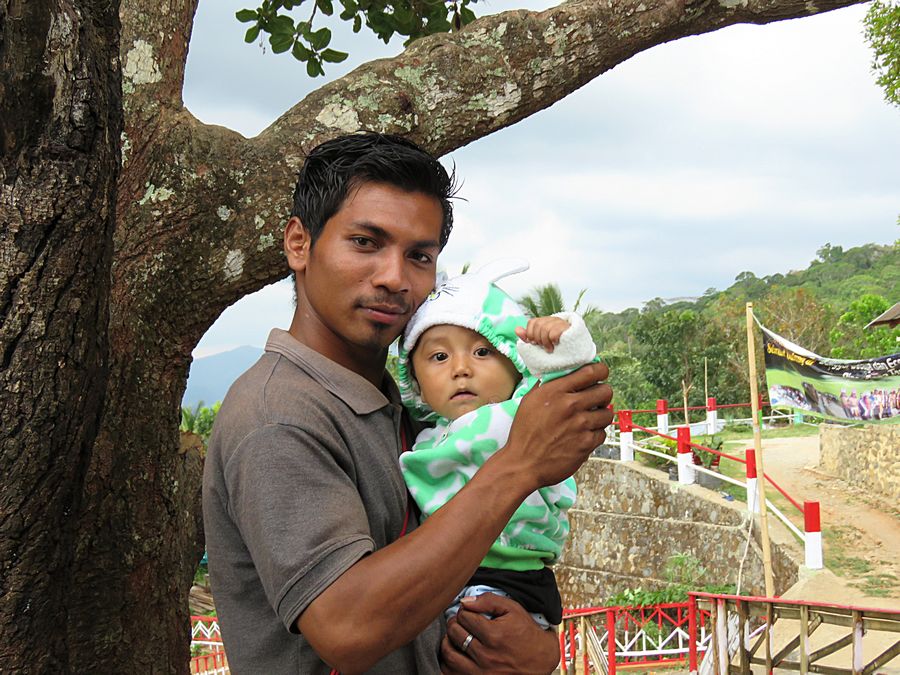
After the performances, a father with his recently
born child helps the child wave to me.
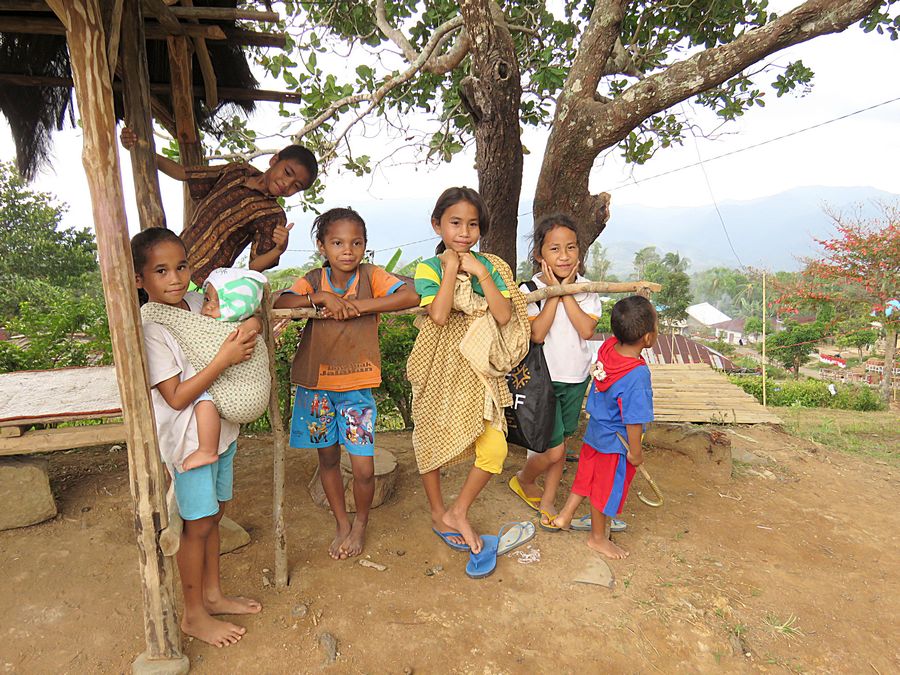
Most of the kids liked their photos being taken, especially when we
showed them the resulting photo on the camera screen.
OAT goes to this village on every Indonesia tour, so
they are used to seeing tourists. Otherwise, the village is
fairly remote.
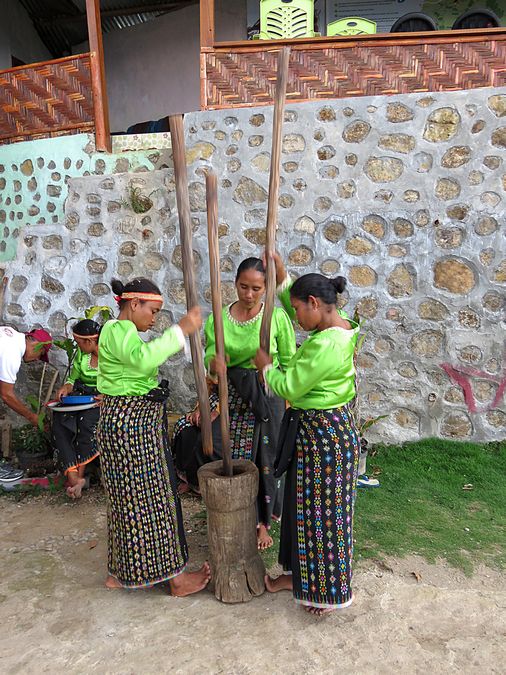
Grinding coffee beans by hand with long poles.
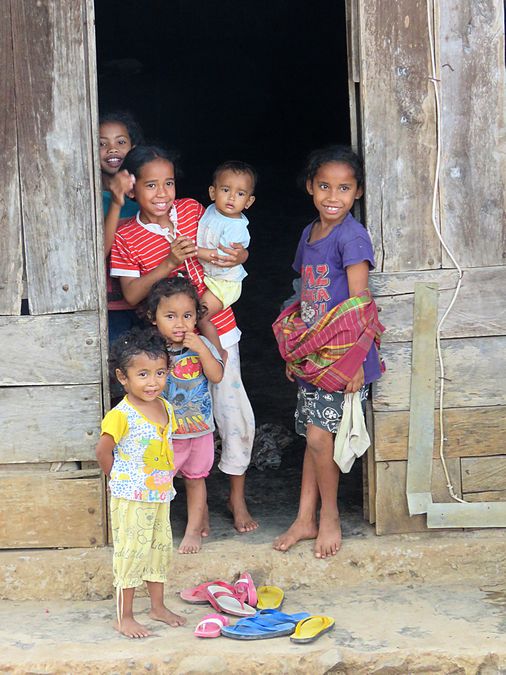
We walked through the village back to our van.
People in some of the homes came out to see us.
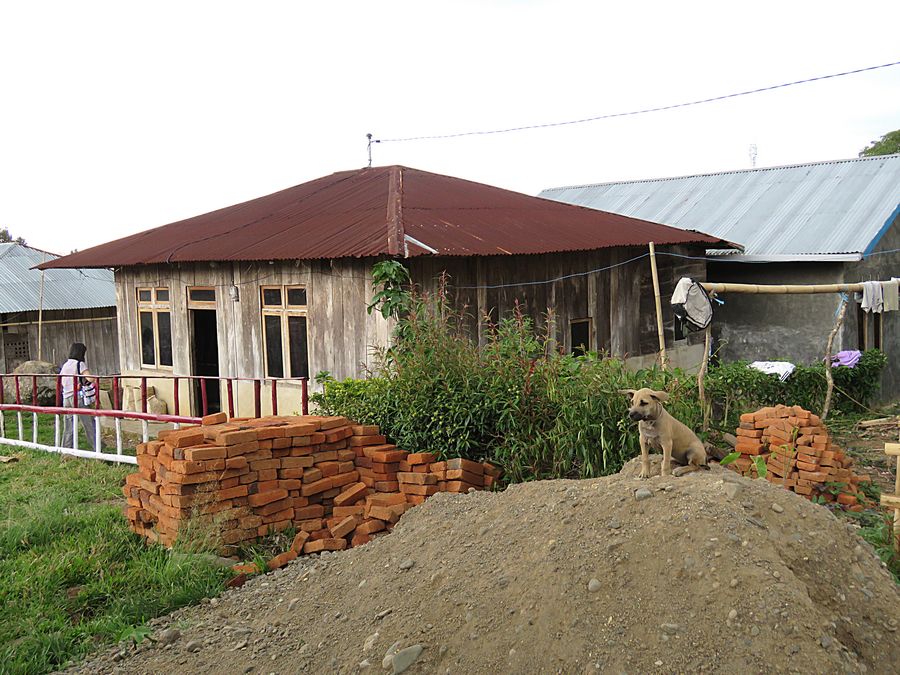
One of the homes in the village. Not sure who the dog on the dirt
mound belonged to, but it was a good viewing spot for the dog.
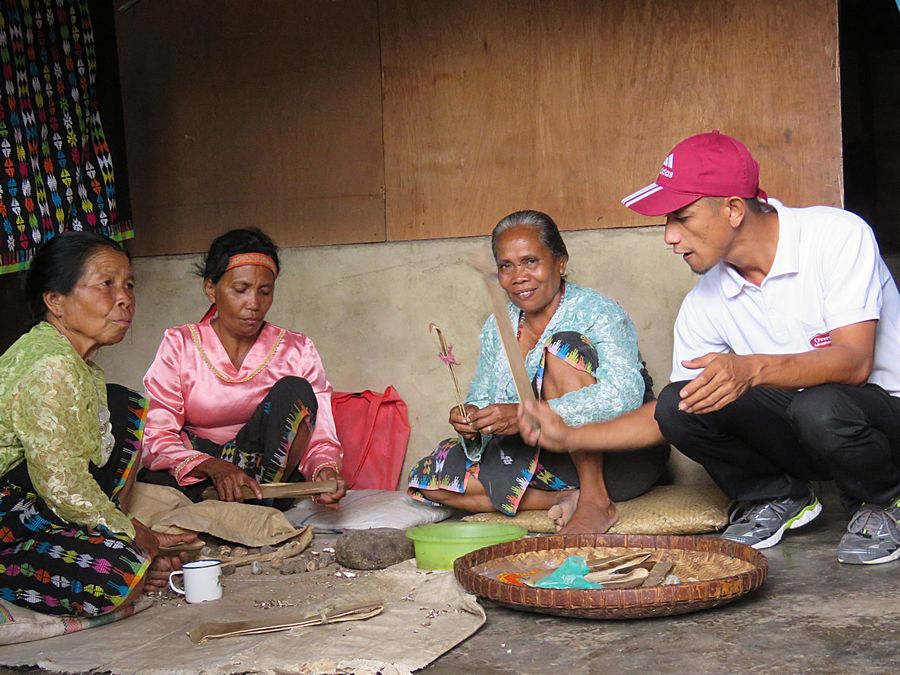
Cracking nuts with a whip-like tool inside the home seen in the above photo.
Local guide Thomas is on the right.
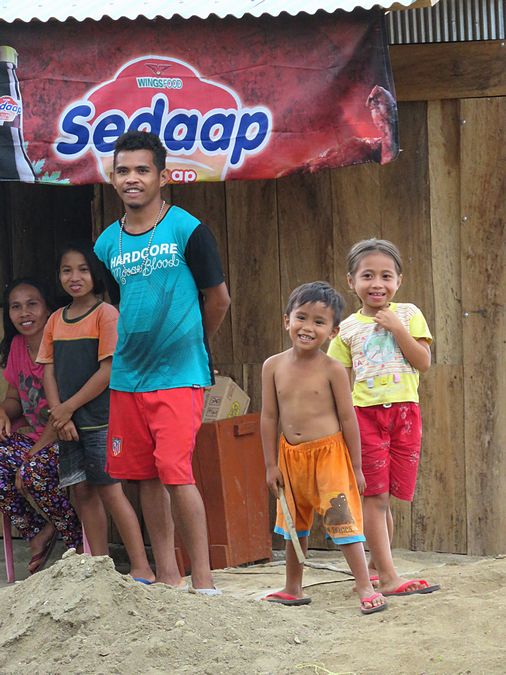
Another family that came outside their home to see us.
Link to Part Three, Page
Three - Rinca Island; Return to Denpasar, Bali
Pat's Home Page